


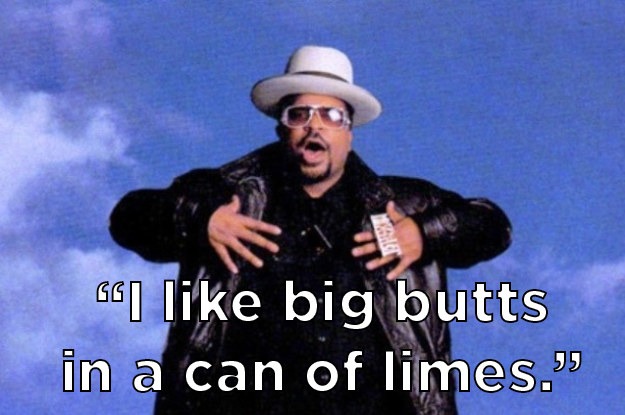
In the annals of pop culture, certain lyrics have the power to transcend generations, leaving an indelible mark on the collective consciousness. One such anthem, “Baby Got Back” by Sir Mix-a-Lot, immortalized in the iconic line “I like big butts and I cannot lie,” has permeated popular culture since its release in 1992. Beyond its catchy beat and humorous lyrics, the song sparked conversations about body positivity, objectification, and the celebration of diverse beauty standards.
At its core, “I Like Big Butts” is a playful and unabashed celebration of curvaceous figures, challenging conventional beauty norms that prioritize slender frames over voluptuous curves. Sir Mix-a-Lot’s irreverent lyrics and infectious rhythm invite listeners to embrace and appreciate the beauty of all body shapes, regardless of societal standards or expectations.
However, beneath its lighthearted facade lies a deeper commentary on societal attitudes towards female bodies and the pervasive influence of media portrayals of beauty. The song confronts the fetishization and objectification of women’s bodies, challenging the notion that beauty is synonymous with a specific body type or size.
In a culture inundated with airbrushed images and unrealistic beauty standards, “I Like Big Butts” disrupts the status quo by celebrating bodies that deviate from the narrow confines of mainstream beauty ideals. By elevating the beauty of ample curves and derrieres, the song empowers individuals to embrace their bodies with confidence and self-assurance.
Moreover, “I Like Big Butts” sparked vital conversations about consent and agency, particularly in the context of objectification and sexualization of women’s bodies. While the song’s lyrics exude playful flirtation, they underscore the importance of mutual respect and consent in romantic and sexual relationships. Consent is not about objectifying or reducing individuals to mere body parts but rather acknowledging and honoring their autonomy and boundaries.
However, it’s crucial to recognize the complexities and contradictions inherent in the song’s message. While “I Like Big Butts” champions body positivity and celebrates diverse beauty standards, it also risks perpetuating stereotypes and reducing women to their physical attributes. The lyrics walk a fine line between empowerment and objectification, highlighting the nuanced interplay between agency, representation, and cultural context.
Furthermore, the song’s enduring popularity and impact extend far beyond its original release, permeating various facets of popular culture, from music and film to advertising and social media. Countless memes, parodies, and references have emerged, further cementing its status as a cultural touchstone and emblem of body positivity.
In recent years, “I Like Big Butts” has inspired critical reflections and reevaluations of its message in light of evolving conversations about gender, sexuality, and representation. While its legacy remains complex and multifaceted, the song continues to resonate with audiences as a testament to the power of music to challenge norms, spark dialogue, and foster inclusivity.
In conclusion
“I Like Big Butts” stands as more than just a catchy tune or humorous novelty song—it’s a cultural phenomenon that has sparked conversations, challenged norms, and inspired movements. Its legacy reminds us of the importance of embracing diversity, challenging stereotypes, and celebrating the beauty of all bodies, big butts and beyond. As we continue to navigate evolving attitudes towards body image and representation, the song’s enduring appeal serves as a poignant reminder of the ongoing journey towards self-acceptance and empowerment.
