


Hurricane season refers to the period of the year when storms and hurricanes are most likely to form in specific regions. During this time, ocean waters are warm enough to fuel these storms, and atmospheric conditions can trigger their development. Understanding hurricane season 2025 is vital because it allows individuals, families, and communities to prepare in advance, reduce risks, and protect lives and property.
This article breaks down what hurricane season is, key dates for 2025, historical hurricanes to learn from, and essential strategies—including why a solar generator is a smart choice.
Key Dates for Hurricane Season 2025
Hurricane season timing differs by region. For 2025, the following dates are especially important:
Atlantic Hurricane Season
The Atlantic Hurricane Season typically spans from June 1 to November 30. This period marks the peak months when hurricanes are most likely to affect the eastern United States, the Caribbean, and parts of Central America. Within this timeframe, activity usually peaks between August and October, with September often being the most active month.
Eastern Pacific Hurricane Season
On the other side of the Americas, the Eastern Pacific Hurricane Season runs from May 15 to November 30. Coastal areas of Mexico, Central America, and even Hawaii are most susceptible to storms during these months. While the Eastern Pacific typically experiences fewer catastrophic hurricanes than the Atlantic, the risk of heavy rainfall, flooding, and storm surges remains significant.
Lessons From Past Hurricanes
Past hurricanes have shown us just how unpredictable and destructive these storms can be. From widespread power outages and flooding to the disruption of daily life, each storm leaves behind valuable lessons on the significance of preparation and resilience.
1. Hurricane Ian (2022)
Hurricane Ian struck Florida in September 2022 as a Category 4 hurricane, causing widespread flooding, wind damage, and long-lasting power outages. After tearing through Florida, Ian moved up the coast and impacted both North and South Carolina. Thousands of homes were without electricity for days, highlighting the importance of planning for a hurricane power outage.
2. Hurricane Ida (2021)
Hurricane Ida made landfall in Louisiana in August 2021 as a Category 4 storm, causing severe flooding and infrastructure damage. It toppled power lines and crippled the energy grid. More than one million residents lost electricity, with some areas remaining without power for several weeks. Ida demonstrated the need for proactive hurricane safety tips, including having emergency kits, backup power, and evacuation plans.
3. Hurricane Fiona (2022)
Hurricane Fiona impacted the Caribbean and parts of eastern Canada in September 2022. Fiona’s strong winds and heavy rainfall caused flash flooding and damaged homes and roads. In Puerto Rico, Fiona’s torrential rainfall triggered catastrophic flash flooding and mudslides, submerging neighborhoods and wiping out roads and bridges. The island also experienced a complete power grid failure, leaving millions without electricity or running water for days.
4. Hurricane Laura (2020)
Hurricane Laura, a Category 4 storm, struck Louisiana and Texas in August 2020. It was notorious for its destructive winds and storm surge. Many communities endured extended hurricane power outages, with more than 900,000 homes and businesses losing electricity. In some areas, power was not fully restored for weeks, leaving residents without refrigeration, air conditioning in extreme heat, and reliable communication.
Why Investing in a Solar Generator Is Necessary
One of the most effective ways to prepare for hurricane season 2025 is to ensure a reliable power source during outages. Hurricanes often knock out electricity for days or even weeks, making daily life challenging. A solar generator offers a practical solution. Here’s why:
1. Uninterrupted Power During Outages
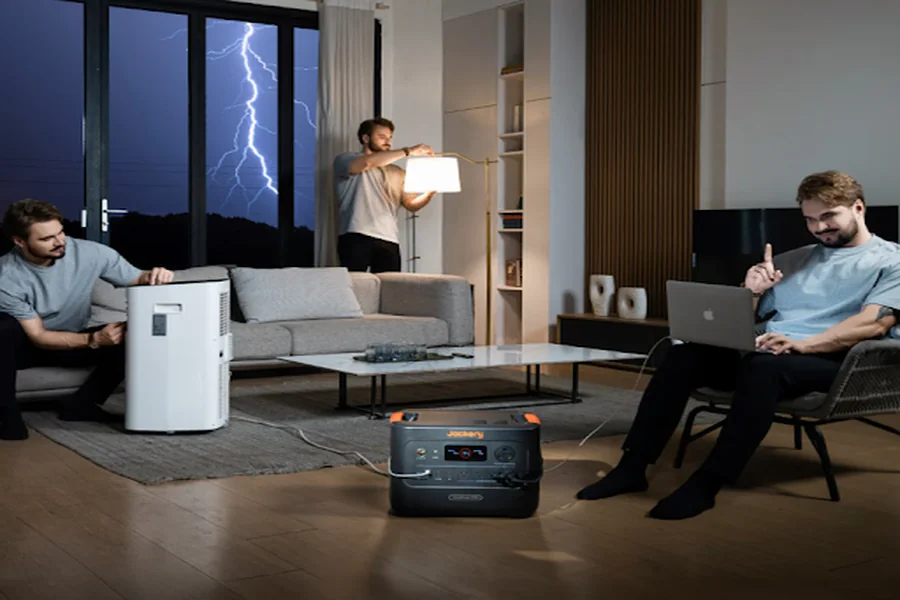
A solar generator ensures that essential devices remain operational when the grid goes down. From charging phones and keeping medical devices like CPAP machines running to powering lights and refrigeration, a solar generator provides a dependable energy source that keeps your household functioning. With a reliable solar generator, you can maintain communication, stay informed about emergency updates, and keep your family safe.
2. Fuel-Free Energy
Unlike traditional gas-powered generators, a solar generator runs quietly, cleanly, and without relying on fuel. This eliminates the need for storing gasoline or worrying about its availability during a hurricane. Additionally, solar energy is safe for indoor use since it eliminates the risk of carbon monoxide poisoning. For families prioritizing both safety and environmental impact, solar generators are a clear winner.
3. Portable and Versatile
Solar generators are generally compact and portable. Whether you are sheltering in place or evacuating to a safe location, you can easily take a solar generator with you. This versatility is invaluable during hurricane season 2025, when mobility may be required at short notice. A solar generator can power lights, communication devices, and even small appliances, providing both comfort and security.
4. Long-Term Value
Investing in a solar generator is not limited to hurricane preparedness. These devices serve as year-round backup power solutions, making them a worthwhile investment for any home. Beyond emergency readiness, you can also save money by using solar power to offset electricity costs or even take advantage of renewable energy incentives.
Jackery Solar Generator HomePower 3000 for Hurricane Preparedness
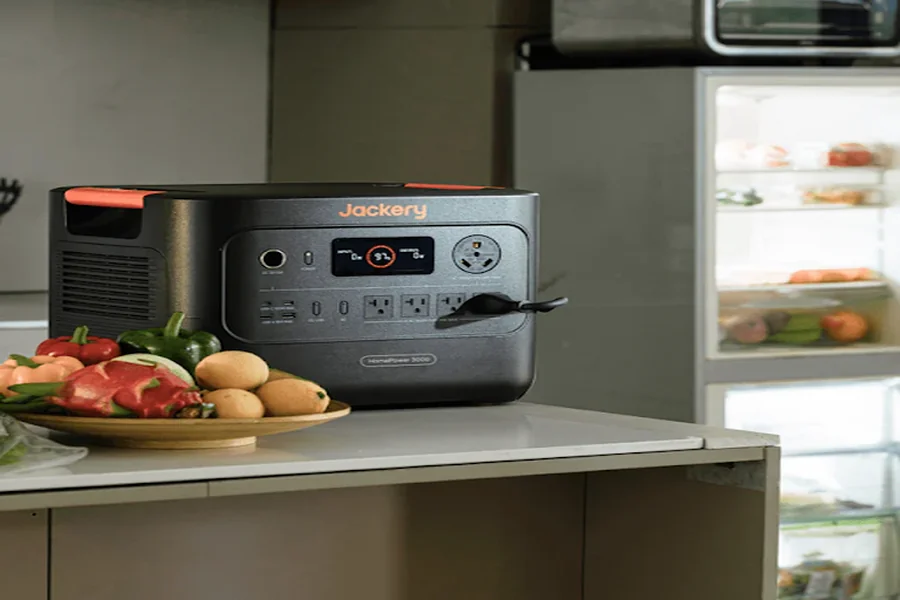
For those looking for a robust, reliable solution, the Jackery Solar Generator HomePower 3000 stands out. This solar generator combines high capacity with portability, making it ideal for hurricane season 2025. Here’s why it’s a top choice:
1. Strong Performance
With a 3072Wh capacity and 3600W output (7200W surge), the Jackery Solar Generator HomePower 3000 delivers reliable power for essential devices. It can keep refrigerators running to preserve food or medications, power medical equipment, charge communication devices, and operate fans or heaters.
2. Compact and Lightweight
Despite its strong performance, the Jackery Solar Generator HomePower 3000 is compact and lightweight. As the world’s smallest and lightest 3kWh LFP generator, it is designed for easy portability and effortless use wherever you need it. Whether inside your home, in a garage, or during an evacuation, it can be set up quickly and easily.
3. Emergency Readiness
Featuring ZeroDrain™ technology, the Jackery Solar Generator HomePower 3000 retains 95% of its charge even after a full year in storage. In the event of a blackout, it seamlessly switches over with ≤20ms UPS functionality to keep critical appliances running without interruption. With enough power to support your fridge, Wi-Fi, fans, and lights, it provides up to two days of reliable backup.
4. Safe and Fuel-Free
The Jackery Solar Generator HomePower 3000 runs without gasoline, providing quiet, clean energy with no fumes or risk of carbon monoxide. Its advanced ChargeShield 2.0™ ensures optimized charging protection for both the battery and connected appliances, enhancing safety and longevity.
5. Versatile
The inbox portable power station is suitable for both home backup and on-the-go scenarios, whether during evacuations, outdoor activities, or RV trips. It features multiple ports to support all your essentials — from coffee machines and fans to Starlink, smartphones, and more.
6. Multiple Charging Methods
The Jackery Solar Generator HomePower 3000 offers versatile charging options to suit any situation. You can recharge it using a standard AC outlet. For faster charging, the solar generator supports combined AC + DC input at 2500W, reaching full capacity in just 1.7 hours. It also supports solar charging, which takes approximately 11 hours via solar panels of 400W.
Essential Hurricane Safety Tips
Preparation for hurricane season 2025 extends beyond backup power. The following hurricane tips for safety can significantly reduce risk to life and property:
1. Develop an Emergency Plan
Develop a clear plan that includes evacuation routes, nearby shelters, and reliable communication channels. Make sure all family members know the plan, practice it regularly, and decide on a meeting point in case you get separated. Don’t forget to include pets in your evacuation strategy.
2. Build a Comprehensive Emergency Kit
Stockpile enough non-perishable food and bottled water to last each household member at least three days. Add essentials such as flashlights, extra batteries, medications, first aid supplies, hygiene products, and copies of important documents in waterproof containers. Consider cash, portable chargers, and items for infants or elderly family members.
3. Secure Your Home
Reduce potential damage by installing storm shutters or boarding up windows. Bring inside or firmly secure loose outdoor items like patio furniture, grills, and garden tools that could become dangerous projectiles. Check your roof, gutters, and drainage systems, and make sure they can withstand heavy rainfall and high winds.
4. Stay Informed and Connected
Rely on trusted sources such as the National Hurricane Center, NOAA Weather Radio, or local emergency management authorities for up-to-date information. Keep a battery-powered or hand-crank radio on hand. Sign up for emergency alerts if available.
5. Prepare for Power Outages
Expect extended blackouts during major storms. Fully charge all essential devices ahead of time, and have backup options ready, including a solar generator or a portable power station. Store fuel safely if using gas-powered generators, and learn how to operate equipment before an emergency strikes.
Wrapping-up
Hurricane season 2025 is a reality that requires proactive planning. Investing in a backup battery like the Jackery Solar Generator HomePower 3000 provides uninterrupted, clean, and portable energy, ensuring that even during prolonged hurricane power outages, you and your family can remain safe and connected. Visit Jackery’s website to explore its reliable and innovative solar generators and portable power stations.
