


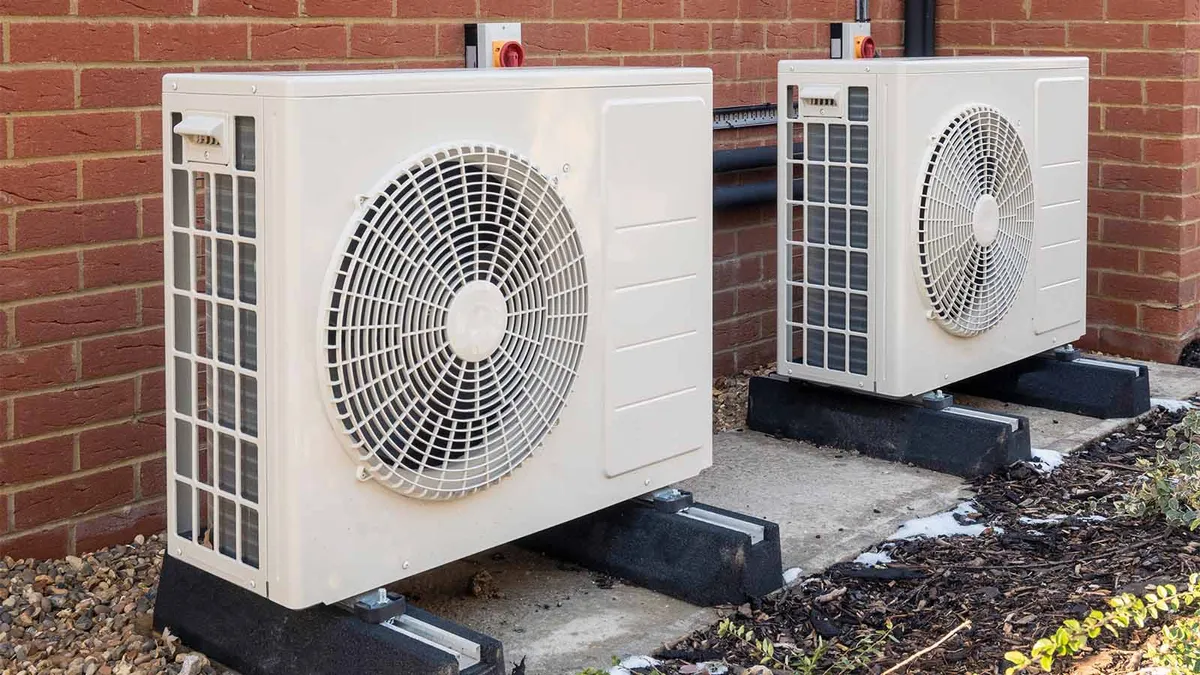
In an era increasingly focused on energy efficiency and environmental sustainability, heat pumps have emerged as a significant player. They are not just a part of the conversation about renewable energy and efficiency; they are central to it. This article explores how heat pumps work and examines if wholesale distribution channels are effectively proliferating these units worldwide. Heat pumps, as innovative energy preservation systems, seamlessly integrate efficiency with sustainability, revolutionizing how we heat and cool our spaces.
How Do Heat Pumps Work?
The Basic Principle
At its core, a heat pump is a device that transfers heat from one place to another. This process is done through a cycle of evaporation and condensation, using a refrigerant as the medium. The beauty of a heat pump is its ability to reverse this cycle, providing heating in the winter and cooling in the summer.
Components and Process
The main components of a heat pump include a compressor, a condenser, an expansion valve, and an evaporator. In heating mode, the heat pump extracts heat from the outside air, ground, or water and transfers it indoors. The refrigerant absorbs the heat and evaporates, and the compressor then increases the temperature by compressing the vapor. This hot vapor moves through the condenser, releasing its heat inside the building. The refrigerant cools down, returns to a liquid state, and the cycle repeats.
In cooling mode, this process is reversed. The heat pump absorbs heat from the indoor air and releases it outside, thus cooling the interior.
Types of Heat Pumps
The industry needed to develop different types of heat pumps to cater to the diverse requirements and environmental conditions of various settings. Each type of heat pump – air-source, ground-source, and water-source – is designed to optimize efficiency in different climates and geographical areas. For instance, air-source heat pumps are more suitable for moderate climates, while ground-source pumps excel in areas with extreme temperature variations. Additionally, the varied infrastructure and space availability in residential, commercial, and industrial properties demand distinct heat pump solutions. This diversity ensures that there is a suitable, efficient heat pump option for every specific need, maximizing energy savings and environmental benefits.
Air-Source Heat Pumps
The most common type is the air-source heat pump, which transfers heat between the air inside a building and the air outside.
Ground-Source Heat Pumps
Also known as geothermal heat pumps, these systems transfer heat between the building and the ground or a nearby water source.
Water-Source Heat Pumps
These are similar to ground-source pumps but use a body of water, like a lake or a pond, as the heat exchange medium.
Advantages of Heat Pumps
Heat pumps are incredibly efficient because they move heat rather than generate it. This efficiency can translate to significant savings on energy bills. They also have a lower environmental impact compared to traditional heating and cooling systems, as they rely on renewable sources like air or ground.
Wholesale Distribution of Heat Pumps
The necessity for heat pumps to be part of a wholesale distribution network stems from their growing demand and the inherent complexities of their distribution. Wholesale networks facilitate the efficient, large-scale distribution of heat pumps, ensuring a steady supply to meet market demands. By leveraging these networks, manufacturers can reach a wider audience, including businesses and consumers in various geographical locations. Additionally, wholesalers typically have established logistics and storage capabilities, which are essential for handling bulky items like heat pumps. This widespread distribution through wholesalers is crucial for making heat pumps more accessible and affordable, thus promoting their adoption on a larger scale.
The Role of Wholesalers
The proliferation of heat pumps worldwide is significantly influenced by wholesale distribution channels. Wholesalers play a critical role in the supply chain, bridging the gap between manufacturers and end-users. Their deep understanding of market dynamics, customer needs, and logistical intricacies helps in effectively navigating the complex landscape of global distribution.
Challenges in Distribution
While the demand for energy-efficient solutions like heat pumps is growing, several challenges hinder their widespread distribution. These include the high initial cost, the need for specialized installation, and varying regional climate conditions that affect the suitability and efficiency of certain types of heat pumps.
Wholesale Heat Pumps
As we mention the term wholesale heat pumps, it highlights the bulk buying and selling aspect of the business. Wholesalers who deal in heat pumps have the potential to impact their accessibility and affordability significantly. By purchasing in large quantities, they can often negotiate better prices, which can, in turn, make heat pumps more accessible to a broader market.
The Global Market and Heat Pumps
Market Trends
The global market for heat pumps is witnessing a surge, driven by increasing awareness about energy efficiency and supportive government policies. In regions with favorable climatic conditions and policy frameworks, the adoption of heat pumps is growing rapidly.
The Role of Government and Policy
Government initiatives and policies play a crucial role in promoting the use of heat pumps. Subsidies, tax rebates, and other incentives can significantly lower the financial barriers to adopting these energy-efficient systems.
Future Prospects
Technological Advancements
Ongoing research and development in the field are leading to more efficient, cost-effective, and environmentally friendly heat pump systems. Innovations in this area are expected to make heat pumps an even more attractive option in the future.
Expanding the Reach
Efforts are being made to expand the reach of heat pumps to regions and communities that have not yet fully embraced this technology. This includes developing heat pump models that are suitable for various climates and building types.
Conclusion
Heat pumps represent a crucial element in the global pursuit of energy efficiency and reduced environmental impact. Their functionality and the role of wholesale distribution channels in proliferating these systems worldwide are central to understanding their growing popularity. As technological advancements continue and more regions adopt favorable policies, the future looks bright for heat pumps. Their ability to provide an eco-friendly, efficient, and versatile solution for heating and cooling needs makes them a key player in the journey towards a more sustainable world.
