


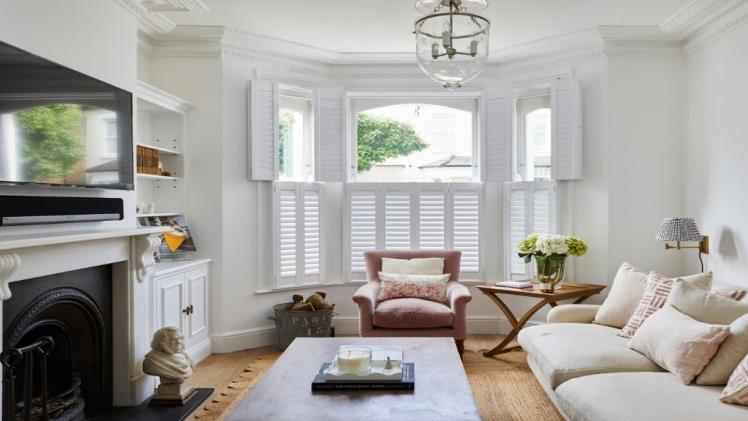
When selecting window treatments for your home, you want options that are stylish yet functional. Plantation shutters fit the bill on both counts. As a homeowner, McKenna & Vane professionals know that you’re looking for window coverings that complement your interior design, provide privacy when needed, and allow natural light to filter in. Plantation shutters meet all these requirements and more. They are a timeless choice that adds architectural detail and value to any home.
In this comprehensive buyer’s guide, you’ll learn everything you need to know about choosing the perfect plantation shutters for house. We’ll explore the different materials available, from wood to vinyl and aluminum, to help determine which is right for you based on your needs and budget. You’ll understand the pros and cons of the various tilt rod, hidden tilt, and motorized hardware options. And you’ll discover all the customization choices, including panel size, blade width, color, and finish to achieve the look you want.
With this information, you’ll be fully equipped to shop for and install plantation shutters with confidence, transforming the look and feel of your space. Your home will benefit from this classic and coveted window treatment for years to come.
What Are Plantation Shutters?
Plantation shutters are interior window coverings with movable horizontal slats. They originated in the American South and were used to control light and ventilation in homes. Today, they are popular decorative and functional window treatments.
Plantation shutters typically have three sections: a frame, vertical stiles, and horizontal slats. The frame attaches to the window trim or wall around the window. Vertical stiles connect the top and bottom of the frame. Horizontal slats span the width of the window and are connected to the stiles. The slats can be tilted to control light and privacy.
Types of Shutters: Vinyl, Wood, Composite, Aluminum
There are three common materials for plantation shutters:
- Wood: Basswood, mahogany and oak are popular choices. Wood shutters have a classic look but require more maintenance.
- Composite: Made from wood byproducts and polymers, composites aim to replicate the look of wood while being more durable and weather-resistant.
- Vinyl: Polyvinyl chloride (PVC) shutters are low-maintenance, dent-resistant and waterproof but may seem less authentic. They work well for high-humidity areas like bathrooms.
In summary, plantation shutters are a timeless window treatment that can suit any décor style. By understanding the different material and configuration options, you can choose shutters tailored to your needs and budget. With proper installation and care, they can provide privacy, light control and an attractive accent to your windows for years to come.
Choosing the Right Shutters for Your Home
There are several types of shutters to choose from, each with their own benefits and drawbacks:
Vinyl Shutters
Vinyl shutters are inexpensive, low-maintenance, and durable. They never need painting and are resistant to weather, rot, and insects. However, vinyl shutters may warp or fade over time and lack the classic look of wood. They are a good option if budget and functionality are priorities.
Wood Shutters
Wood shutters, usually made of cedar, redwood, or cypress, provide an attractive natural look and classic style. They do require periodic maintenance like painting or staining to prevent weathering. Wood shutters tend to be more expensive but are a timeless choice for homes where curb appeal is important.
Composite Shutters
Composite shutters contain a mix of materials, such as wood fibers and plastic polymers. They offer the appearance of wood with lower maintenance requirements and cost. Composite shutters may dent or scratch more easily than vinyl or aluminum but provide an eco-friendly alternative to vinyl.
Aluminum Shutters
Aluminum shutters are durable and low-maintenance but tend to be higher in cost. They will never rot, warp, or fade and provide good insulation for energy efficiency. However, aluminum lacks the aesthetic appeal of natural wood and may have sharp edges. Aluminum shutters are ideal for locations where low-maintenance and durability are top priorities.
In summary, the type of shutter you choose comes down to balancing your priorities for appearance, cost, durability, and maintenance. Do some research on the options available for your home to make an informed choice. The perfect house shutters for you are out there.
