


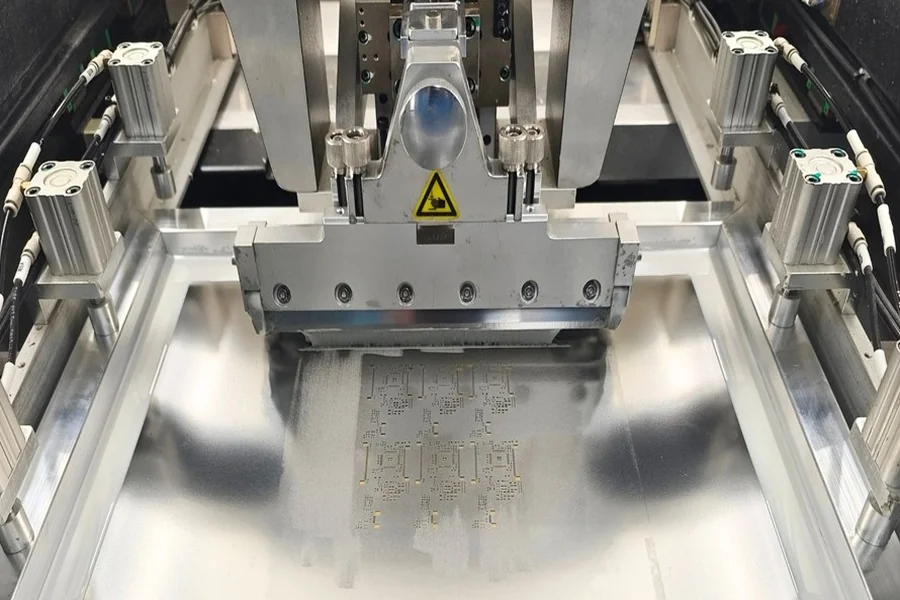
Box build assembly is a comprehensive manufacturing process that goes beyond standard printed circuit board production. It involves the complete assembly of electronic systems into finished enclosures, integrating mechanical parts, wiring, cables, sub-assemblies, and fully assembled PCBs into a ready-to-use product. Box build assembly is widely used across industries that require complex, functional, and market-ready electronic systems delivered under a single manufacturing workflow.
Unlike basic PCB assembly, box build assembly focuses on system-level integration. This approach reduces supply chain complexity and ensures better coordination between electronic, mechanical, and electromechanical components, resulting in higher product reliability and faster deployment.
Why Box Build Assembly Is Critical for Modern Products
As electronic products become more sophisticated, the need for an end-to-end manufacturing solution has increased significantly. Box build assembly addresses this requirement by providing a streamlined production process that covers everything from component sourcing to final packaging.
System-Level Integration and Efficiency
Box build assembly allows manufacturers to integrate multiple components into a single enclosure with precise alignment and secure mounting. This ensures that internal connections, airflow, and structural integrity are optimized for performance and durability. By managing all integration steps under one process, manufacturers minimize compatibility issues and reduce production errors.
Reduced Time-to-Market
By outsourcing box build assembly to a single manufacturing partner, companies eliminate delays caused by coordinating multiple vendors. Faster production cycles and simplified logistics help bring products to market more quickly, which is essential in competitive industries such as industrial automation, medical devices, and consumer electronics.
The Box Build Assembly Process
The box build assembly process is highly structured to ensure consistency, safety, and performance across production volumes. Each stage is carefully controlled to meet functional and quality requirements.
Mechanical Assembly and Enclosure Integration
The process begins with assembling the enclosure and mounting mechanical components such as brackets, panels, heat sinks, and fasteners. Proper enclosure integration ensures physical protection, thermal management, and ease of maintenance. Mechanical accuracy at this stage is essential for the long-term reliability of the product.
Wiring, Cable Harnessing, and Interconnections
After the enclosure is prepared, wiring and cable assemblies are installed. This step involves routing cables, securing harnesses, and connecting internal modules. Careful cable management is critical to prevent signal interference, ensure electrical safety, and allow smooth airflow within the enclosure.
PCB Installation and System Assembly
Fully assembled PCBs are installed into the enclosure and connected to power supplies, displays, sensors, and other subsystems. Box build assembly ensures that all electronic connections are secure and properly aligned. This integrated approach improves system stability and reduces the risk of loose connections during operation.
Quality Control in Box Build Assembly
Quality assurance plays a vital role in box build assembly, as the final product is often a complete, ready-to-use system delivered directly to customers.
Functional and System-Level Testing
After assembly, each unit undergoes functional testing to verify electrical performance, communication accuracy, and system responsiveness. System-level testing ensures that all components work together as intended, reducing the risk of field failures and warranty issues.
Final Inspection and Compliance
Final inspection includes visual checks, mechanical verification, and compliance testing based on industry standards. This step ensures that the product meets regulatory requirements and customer specifications before packaging and shipment.
Industries That Rely on Box Build Assembly
Box build assembly is used across a wide range of industries due to its flexibility and scalability.
Industrial and Automation Equipment
Industrial control systems, automation panels, and monitoring devices benefit from box build assembly because of the need for robust enclosures, precise wiring, and reliable operation in demanding environments.
Medical, Telecom, and Consumer Electronics
Medical devices require clean, precise, and compliant assembly processes, making box build assembly an ideal solution. Telecom equipment and consumer electronics also rely on this approach to deliver compact, high-performance systems ready for immediate deployment.
Advantages of Outsourcing Box Build Assembly
Outsourcing box build assembly to an experienced manufacturer provides both technical and operational benefits.
Cost Optimization and Supply Chain Simplification
By consolidating multiple manufacturing steps into one service, companies reduce overhead costs, inventory handling, and logistics complexity. This integrated model improves cost predictability and operational efficiency.
Scalability and Production Flexibility
Box build assembly supports both low-volume custom builds and high-volume production. This flexibility allows businesses to scale manufacturing as demand increases without compromising quality or delivery timelines.
Future Trends in Box Build Assembly
As electronic systems continue to evolve, box build assembly is adapting to support smarter designs and higher integration levels. Increased automation, advanced testing methods, and improved material handling are shaping the future of system-level manufacturing. These advancements help manufacturers deliver more reliable and compact products while maintaining efficiency.
Conclusion
Box build assembly provides a complete and reliable solution for companies seeking fully integrated electronic systems under one manufacturing process. By combining mechanical assembly, wiring, PCB integration, and system testing, this approach ensures consistent quality, reduced lead times, and improved product performance. To achieve the best results and streamline production, partnering with experienced providers of PCB assembly services is essential for delivering high-quality box build assembly solutions that meet modern industry demands.
