


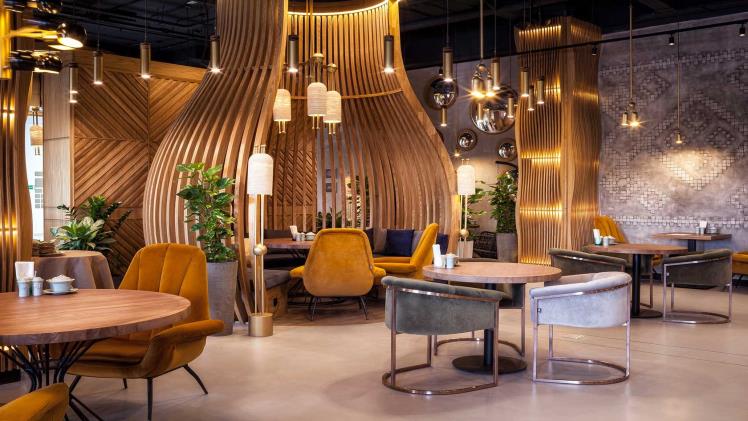
Aesthetics are extremely important in restaurant design since they shape the dining experience. The environment, décor, and furnishings all help to establish the tone for their dinner from the moment they walk in. The decision to use antique or modern aesthetics for restaurant furniture, in particular, can considerably impact the mood and overall perception of the establishment. As restaurateurs make this selection, they must consider a variety of criteria to ensure that the chosen aesthetic is consistent with their brand identity, target market, and practical concerns such as durability and financial limits.
Understanding Vintage Aesthetics
Vintage aesthetics convey charm, personality, and a sense of nostalgia. Vintage restaurant furniture is distinguished by its charm from the past, with elaborate detailing, one-of-a-kind craftsmanship, and timeless appeal. Vintage furniture can be an appealing option for restaurant owners who want to create a sense of warmth and familiarity. The patina of age tells a tale about each piece, providing a welcoming atmosphere that takes diners to another period. Vintage furniture, from worn oak tables to luxurious velvet upholstery, captivates individuals who admire the elegance of bygone times.
However, it is critical to note that incorporating vintage objects into a restaurant setting has unique complications. Finding true vintage furniture can be a time-consuming procedure that includes visits to antique stores, auctions, and estate sales. Ensuring the longevity and maintenance of vintage items may necessitate extra time and resources. From repainting surfaces to mending faulty joints, maintaining the integrity of historic furniture necessitates dedication to preservation and care. Introducing modern elements like smart edison bulbs can blend seamlessly with vintage aesthetics, offering both ambiance and functionality while preserving the charm of the past.
Exploring Modern Aesthetics
On the opposite end of the scale, modern aesthetics provide a sleek, contemporary design that appeals to customers who value clean lines and minimalism. Modern furniture has streamlined outlines, smooth surfaces, and geometric shapes, as opposed to the intricate ornamentation found in older items. Modern furniture, with its emphasis on simplicity and functionality, is a fantastic choice for restaurants looking for a fresh, sophisticated design. Modern furniture, which ranges from minimalist chairs to sleek bar stools, blends smoothly into several design styles, making it a versatile alternative for restaurant owners.
Modern furniture, with its streamlined form and understated elegance, can contribute to a classy eating area. Modern furniture’s clean lines and neutral color palettes serve as a blank canvas for restaurant owners to showcase their styles. Whether you choose sleek metal accents or organic materials like wood and stone, modern furniture gives unlimited personalization options. Modern furniture is frequently created with durability and functionality in mind, making it ideal for high-traffic restaurant settings.
Factors to Consider When Choosing Between Vintage and Modern Aesthetics
When deciding between vintage and modern aesthetics for restaurant furniture, various elements must be considered. Understanding the tastes and demographics of the intended client base is critical. While some consumers may enjoy the nostalgia of historical décor, others may prefer the sleekness of modern design. Conducting market research and soliciting input from potential consumers can reveal significant information about their aesthetic preferences and dining expectations.
The chosen aesthetic must be consistent with the restaurant’s brand identification and concept. Whether you want a rustic farmhouse feel or a contemporary urban mood, the furniture should flow easily with the overall motif. Consider how the chosen aesthetic represents the restaurant’s ideals, setting, and cuisine. A farm-to-table restaurant, for example, may use vintage furniture to give a sense of rustic charm and authenticity, whilst a contemporary urban bistro may use modern furniture to convey a sleek, cosmopolitan image.
Practical issues including durability, maintenance, and functionality should not be disregarded. While old furniture exudes charm, it may require more maintenance and be less resistant to wear and tear than modern counterparts. Budget limits influence decision-making. Vintage antiques, especially those with historical value or perfect craftsmanship, can be quite expensive. On the other side, modern furniture may provide more cost-effective solutions without sacrificing design or quality.
Balancing Tradition and Innovation: Finding Your Unique Style
Finding a good mix between tradition and new ideas is important for giving your restaurant a unique look. To make a truly unique atmosphere, don’t stick to just one style. Instead, think about mixing old and modern elements. For example, you can make a unique look that still goes together by putting together old wooden tables and sleek metal chairs. In the same way, putting together modern art and lighting features that look old can make the room more visually interesting.
Adding things to your restaurant that are from the past and the present can help you make it more interesting for people with a wide range of tastes. Finding your own style takes imagination, experimentation, and a willingness to push the limits. This is true whether you use reclaimed wood accents or the newest technology.
Implementing Your Chosen Aesthetic: Practical Tips and Considerations
Once you’ve decided on the style of furniture you want for your business, it’s time to make it happen. First, carefully plan how the furniture will be laid out and arranged so that room and flow are best used. Think about things like the number of seats, the flow of people, and the focal places in the dining area. Also, pay close attention to lighting, color schemes, and other design elements that will make the style you’ve chosen even better.
When choosing furniture, quality, and reliability should come first to make sure it lasts and the customer is happy. Whether you choose old items or new ones, make sure you buy ones that are made to last through daily use. Set up a regular care schedule for your furniture to keep it looking great for years to come. Proactive upkeep, like cleaning and checking for damage or wear regularly, can help keep your restaurant’s furniture in good shape and keep it looking good.
Navigating the Aesthetics Landscape for Restaurant Furniture
The decision between vintage and modern aesthetics for restaurant furniture is delicate and involves careful consideration of several elements. Understanding your target demographic’s tastes, aligning with your brand identity, and considering practical factors such as durability and budget limits can allow you to make an informed decision that improves the whole eating experience.
Whether you choose the timeless appeal of vintage décor or the slick sophistication of modern design, remember that striking the perfect balance is essential. By combining history and innovation, you can create a distinct aesthetic that distinguishes your restaurant and creates an indelible impact on your guests. So, embrace the adventure of trying out new techniques, experimenting with unique combinations, and eventually creating a setting that embodies the spirit of your culinary vision.
