


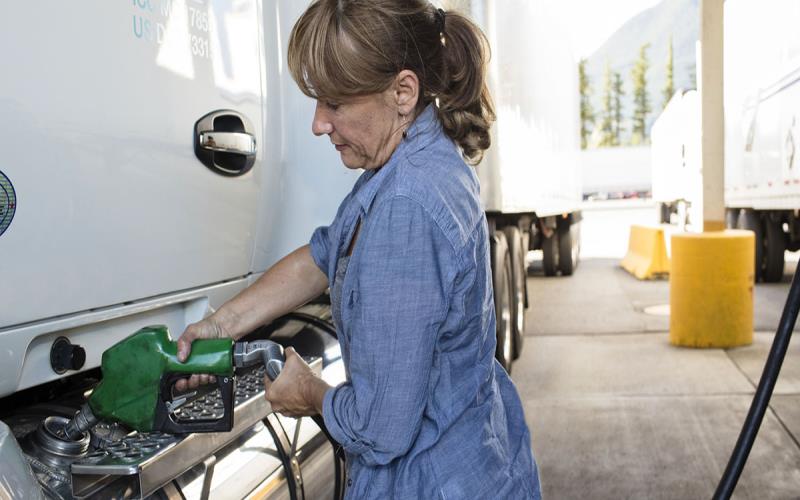
Fuel cards for truckers improve fleet management and control by offering a range of benefits beyond cost savings at the pump. Some of these include tracking and monitoring expenses with real-time transparency, eliminating the need to send paper receipts.
This allows companies to streamline the accounting process and increase oversight to prevent fraud, theft, or unauthorized purchases. The best fuel cards also provide access to IFTA reports, spending reports, and location finders for additional benefits.
Convenience
Using the best fuel card for truckers is a convenient way to save fuel. This payment method eliminates the need for drivers to carry wads of cash, which is a target for theft. It also reduces administrative costs associated with keeping and reporting paper receipts.
Some fuel cards offer point-of-sale discounts, while others provide monthly rebates on fleet fuel purchases. Both models can deliver significant savings to trucking businesses. When choosing a fuel card, understand how the discount will be applied to each purchase.
Look for a card that offers the largest truck stop network, industry-leading discounts, and no annual fees. A fuel card that captures detailed transaction data can provide fleet managers with insights into where improvements in fuel spend can be made. This data can drive cost-saving initiatives, like driver behavior adjustments or route optimizations. Some fuel cards even allow uploading purchase data into a company’s accounting system for seamless integration. This makes the entire process much more efficient.
Expense Tracking
Using fuel cards allows trucking companies to simplify and optimize work processes by streamlining documentation. Instead of storing stacks of receipts, the data on every purchase is automatically uploaded to company accounting software through a fuel card program. This eliminates errors and ensures that all expenses are properly documented.
Furthermore, some fuel cards offer software that provides automatic International Fuel Tax Agreement (IFTA) reporting, simplifying fleets’ tax compliance. This can significantly reduce the time and energy required to prepare and submit IFTA reports to the government.
Before choosing a fleet payment card, be sure to consider the specific features that are important to your business. For example, if your drivers often travel within a local area, choosing a card with a comprehensive network that covers the region is best. Also, be aware of other fees that could impact overall savings. For instance, some cards may have annual, inactivity, or transaction fees that can significantly reduce overall savings. Be sure to choose a card with low fees that won’t add up over time.
Security
When drivers swipe a fuel card, they’re not handing over wads of cash that could be lost or stolen. Likewise, they do not have to keep track of paper receipts for company expenses or wait for reimbursements. This streamlines the expense-tracking process for trucking companies of all sizes.
In addition, many trucker fuel cards offer security features that protect against fraud and internal theft. For example, a driver might be required to enter a PIN or show their ID in person before purchasing fuel, or they may be given daily transaction and gallon limits on their card. These security measures help reduce the likelihood of fraudulent purchases, saving fleets money and time.
Some fuel cards also offer discounts on fuel or other trucking-related expenses like maintenance services. These perks can save you significant amounts of money, especially when managing a large fleet of vehicles. Moreover, some fuel cards can be uploaded to your accounting software to generate real-time spending reports and MPG calculations. These benefits make fuel cards a valuable investment for fleets of all sizes, from large to small owner-operators.
Flexibility
While fuel cards look similar to credit cards, they have various features that benefit the trucking industry. They offer security measures to prevent fraud, give companies full access to all spending details (including odometer readings and driver ID), and provide discounts and savings per gallon.
As a result, they can make the lives of Owner-Operators and fleet managers much more accessible while reducing overhead costs. For example, some top-tier fuel card programs feature an extensive network of partnered fuel stations where drivers can enjoy discounts at the pump.
This is a huge advantage, given that fuel costs represent one of most trucking companies’ most significant unavoidable expenses. In addition, the best fuel cards provide various online account management tools, including automated International Fuel Tax Agreement (IFTA) reports and expense tracking.
Taxes
Fuel costs may be one of the most significant expenses for trucking companies. Still, a fleet fuel card can offer many additional benefits to improve cash flow and reduce other business costs. Many fleet cards work like prepaid, debit, or credit cards and link all truck drivers to an integrated account. This allows for easy expense management and tracking and can offer fuel discounts.
Additionally, some cards provide rebates on trucking business-related expenses such as DOT inspection maintenance or retreads. Some even allow for one-click payroll, letting owner-operators use available fuel card credit to cover employee wages while waiting for client payments.
Lastly, fuel cards can help companies with IFTA tax reporting by collecting and consolidating fuel and state mileage data into a single report for simplified documentation. All these features are essential for boosting efficiency, improving control and oversight, and reducing the risk of fraud, all while maximizing savings. When paired with the fast funding of freight factoring, a fuel card can be the ultimate tool for the success of a professional driving business.
