


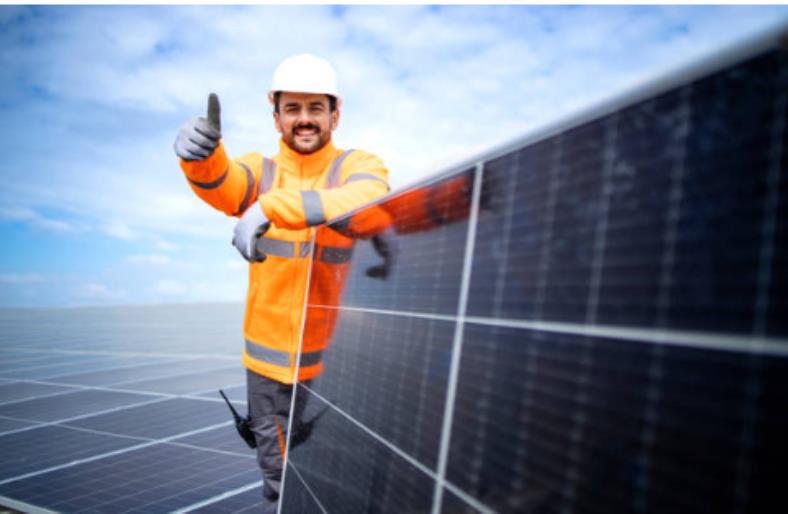
In the pursuit of sustainable and eco-friendly energy sources, solar panels have emerged as a pivotal player in revolutionising the way we harness power. These photovoltaic marvels convert sunlight into electricity, offering an environmentally friendly alternative to conventional energy sources. However, as with any technology, solar panels require proper maintenance to ensure optimal performance over time. One often overlooked aspect of this maintenance is regular cleaning. The question that looms large is whether professional cleaning is a necessity for maintaining solar panel efficiency.
This article delves into the importance of solar panel cleaning, exploring the factors that can compromise their performance and providing actionable tips for effective maintenance.
The Importance of Solar Panel Cleaning
A.Maximizing Energy Output
The primary purpose of solar panels is to capture sunlight and convert it into electricity. Any obstruction on the surface of the panels, such as dust, dirt, or bird droppings, can significantly reduce their efficiency. Over time, this accumulation can form a layer that prevents sunlight from reaching the photovoltaic cells, leading to diminished energy production. Regular cleaning ensures that the panels receive the maximum amount of sunlight, optimising their energy output.
B. Prolonging Panel Lifespan
Solar panels are a substantial investment, and their lifespan is directly tied to how well they are maintained. The accumulation of dirt, dust, and other debris can contribute to wear and tear on the panels, potentially shortening their operational life. Professional cleaning not only enhances immediate efficiency but also contributes to the longevity of the panels, protecting your investment and ensuring sustained energy production over the long term.
C. Preventing Potential Damage
The surface of solar panels is typically made of tempered glass, designed to withstand various weather conditions. However, prolonged exposure to elements like dust, pollen, and pollutants can lead to corrosion and permanent damage. Professional cleaning helps mitigate the risk of such damage, preserving the structural integrity of the panels and safeguarding their ability to generate electricity efficiently.
Factors Affecting Solar Panel Efficiency
A. Dust and Dirt
Dust and dirt are common adversaries of solar panels. When these particles accumulate on the surface, they create a barrier that hinders sunlight penetration. Over time, this can result in a noticeable decrease in energy production. Professional cleaning methods, including soft brushes and purified water, can effectively remove these particles without causing damage to the panels.
B. Bird Droppings and Tree Sap
Bird droppings and tree sap pose a unique challenge to solar panel efficiency. Not only do they block sunlight, but they can also create a corrosive environment that damages the protective layers of the panels. Professional cleaning services employ specialised detergents and techniques to safely remove these substances, preventing both short-term efficiency loss and long-term damage.
C. Environmental Pollutants
In urban environments, solar panels are exposed to a variety of pollutants such as smog, industrial emissions, and airborne particles. These pollutants can settle on the panel surface, forming a layer that reduces light absorption. Professional cleaning ensures a thorough removal of these contaminants, allowing the panels to function optimally in any location.
Powerful and Actionable Solar Panel Cleaning Tips
A. Schedule Regular Inspections
Regular inspections are crucial for identifying early signs of dirt or damage on solar panels. This proactive approach enables timely cleaning, preventing any significant efficiency losses. Professionals recommend scheduling inspections at least twice a year, or more frequently if you live in an area prone to heavy dust or pollution.
B. Use Soft Brushes and Purified Water
When cleaning solar panels, it’s essential to use soft brushes and purified water to avoid scratching the glass surface. Hard or abrasive materials can cause permanent damage and reduce the panels’ efficiency. Professional cleaning services often employ brushes specifically designed for solar panels and use purified water to prevent mineral deposits that could accumulate on the glass.
C. Choose the Right Time for Cleaning
The timing of solar panel cleaning is crucial. Cleaning during the early morning or late afternoon is generally recommended to avoid direct sunlight, which can cause the cleaning solution to evaporate quickly and leave streaks. Additionally, cleaning on cooler days helps prevent thermal shock to the panels.
D. Consider Professional Cleaning Services
While some homeowners may opt for a DIY approach, considering professional cleaning services is often the most effective way to ensure thorough and safe maintenance. Professionals have the expertise, tools, and access to specialised cleaning agents that are specifically designed for solar panels. They can also perform a comprehensive inspection, identifying any potential issues before they escalate.
E. Monitor Energy Output
Keep track of your solar panel’s energy output to detect any sudden drops in efficiency. A significant decrease in energy production could be an indication of dirt buildup or damage. Regular monitoring allows for timely intervention and cleaning, ensuring consistent energy generation.
Conclusion
In the quest for sustainable energy solutions, solar panels stand out as a beacon of promise. However, their efficiency is intricately tied to proper maintenance, with cleaning emerging as a non-negotiable aspect of this upkeep. The importance of solar panel cleaning cannot be overstated, as it directly impacts energy output, prolongs the panel lifespan, and prevents potential damage. While adopting actionable cleaning tips at home is beneficial, considering professional cleaning services ensures a thorough and expert approach. By embracing these practices, we not only maximise the efficiency of our solar panels but also contribute to a cleaner and more sustainable future.
