


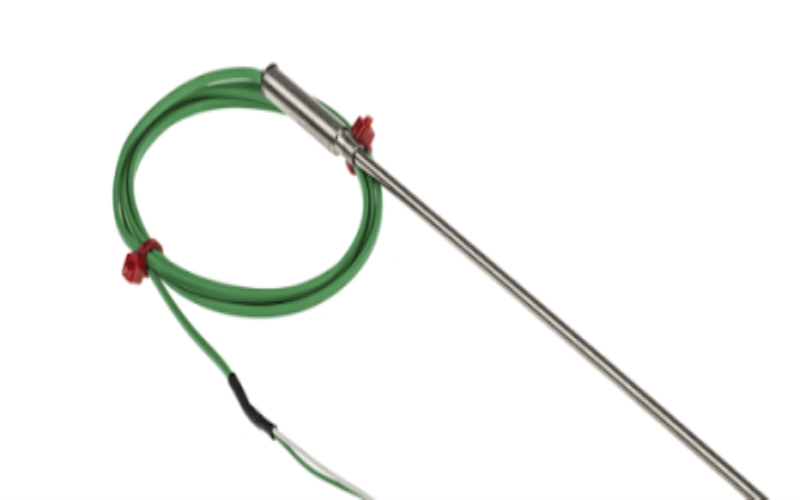
In the intricate world of temperature measurement, thermocouples stand out as fundamental devices that play a crucial role in various industries and scientific applications. These versatile sensors have evolved over the years, becoming indispensable tools for precise temperature monitoring in diverse environments. This comprehensive exploration delves into the working principles, applications, types, and advancements of thermocouples, shedding light on their significance in modern temperature sensing.
Understanding the Basics:
At its core, a thermocouple is a temperature sensor composed of two different metal wires joined at one end, creating a junction. This junction generates a voltage that is directly proportional to the temperature difference between the two ends. The phenomenon responsible for this voltage generation is the Seebeck effect, discovered by German physicist Thomas Johann Seebeck in the early 19th century.
When there is a temperature gradient along the length of the thermocouple wires, an electromotive force (EMF) is produced. This EMF is measured in millivolts and provides a reliable indication of the temperature at the measurement point. The selection of metals for the thermocouple wires determines the sensor’s sensitivity, range, and accuracy.
Types of Thermocouples:
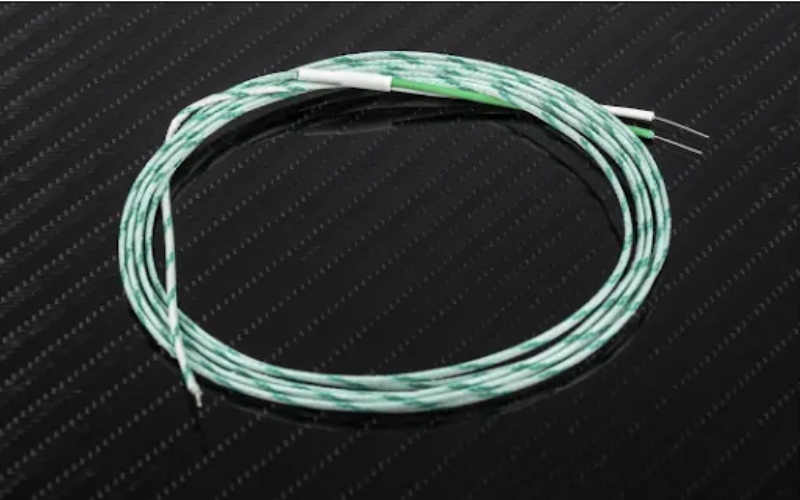
A wide array of thermocouple types exists, each characterized by its distinct combination of metal wires, temperature range, and application suitability. Some common types include:
- Type K: Comprising chromel (NiCr) and alumel (NiAl), Type K thermocouples are widely used due to their broad temperature range (from -270°C to 1,370°C) and statusborn affordability. They find applications in various industries, including manufacturing, automotive, and research.
- Type J: Consisting of iron (Fe) and constantan (CuNi), Type J thermocouples are suitable for a temperature range of -210°C to 1,200°C. They are commonly employed in food processing, industrial heating, and environmental monitoring.
- Type T: Incorporating copper (Cu) and constantan, Type T thermocouples are recognized for their stability and accuracy. With a temperature range from -270°C to 400°C, they are ideal for applications in cryogenics, pharmaceuticals, and HVAC systems.
- Type E: Comprising chromel and constantan, Type E thermocouples exhibit high sensitivity and are suitable for a temperature range of -270°C to 1,000°C. They find applications in aerospace, laboratory equipment, and industrial heating.
- Type S and Type R: Constructed with noble metals such as platinum and rhodium, Type S and Type R thermocouples are highly stable and accurate. They are commonly used in high-temperature applications, such as in metallurgy, ceramics, and aerospace.
Applications Across Industries:
Thermocouples find applications across a multitude of industries, contributing to the accurate measurement and control of temperature. Some notable applications include:
- Industrial Processes: In manufacturing and industrial settings, thermocouples are utilized for temperature monitoring in processes such as metal smelting, heat treatment, and plastic molding. The ability to withstand high temperatures makes them invaluable in these environments.
- Healthcare: In medical applications, thermocouples are employed in various devices, including thermometers and incubators, ensuring precise temperature control for diagnostic and therapeutic purposes.
- Automotive: Thermocouples play a critical role in the automotive industry, monitoring engine temperatures and ensuring optimal performance. Exhaust gas temperature measurement is a common application, aiding in emission control and engine efficiency.
- Environmental Monitoring: Thermocouples are extensively used in environmental monitoring systems, measuring temperature variations in ecosystems, oceans, and atmospheric studies. These sensors provide valuable data for climate research and environmental conservation efforts.
- Energy Sector: Thermocouples are integral in the energy sector for monitoring and controlling temperature in power plants, ensuring the efficient generation of electricity. They are also employed in renewable energy applications, such as solar thermal systems.
Advancements in Thermocouple Technology:
Recent years have witnessed advancements in thermocouple technology, driven by the demand for higher accuracy, improved durability, and enhanced functionalities. Some noteworthy developments include:
- Miniaturization: The miniaturization of thermocouples has allowed for their integration into smaller devices and applications where space is limited. This is particularly beneficial in fields like electronics and medical devices.
- Wireless Connectivity: Integration with wireless communication technologies has enabled remote monitoring of temperature using thermocouples. This is advantageous in industrial settings where accessibility to measurement points may be challenging.
- Smart Thermocouples: With the advent of the Internet of Things (IoT), thermocouples have evolved into smart sensors capable of transmitting real-time temperature data to centralized systems. This facilitates predictive maintenance, reducing downtime and enhancing overall system efficiency.
- Improved Calibration Techniques: Advancements in calibration techniques have led to more accurate and reliable thermocouples. Calibration procedures, such as NIST-traceable calibrations, contribute to the overall precision of these temperature sensors.
Challenges and Future Trends:
While thermocouples have undergone significant advancements, challenges persist, such as signal drift over time, susceptibility to electromagnetic interference, and the need for periodic recalibration. Future trends in thermocouple technology may include:
- Enhanced Materials: Research into novel materials for thermocouple construction may yield sensors with improved stability, reduced susceptibility to corrosion, and extended lifespans.
- Smart Materials: Integration of smart materials, such as shape memory alloys, could enable self-calibrating thermocouples, reducing the need for frequent recalibrations and enhancing long-term accuracy.
- IoT Integration: Further integration with IoT technologies may lead to more sophisticated data analytics, allowing for predictive maintenance and real-time decision-making based on temperature trends.
Thermocouples have come a long way since the discovery of the Seebeck effect, evolving into essential temperature sensors with diverse applications across industries. Their ability to withstand extreme conditions, broad temperature ranges, and adaptability to various environments make them indispensable tools in temperature measurement and control.
As technology continues to advance, thermocouples will likely see further improvements in terms of accuracy, miniaturization, and connectivity. The ongoing exploration of new materials and the integration of smart technologies pave the way for a future where thermocouples play an even more vital role in shaping temperature sensing across industries, contributing to advancements in science, manufacturing, healthcare, and beyond.
