


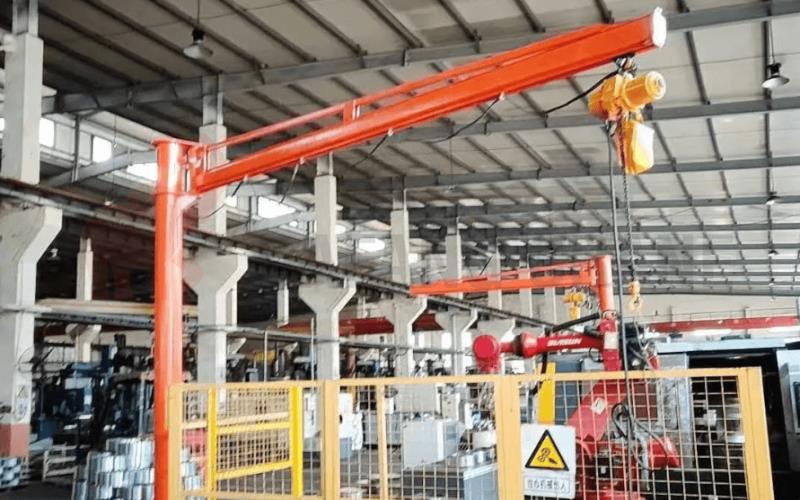
In the world of construction and heavy machinery, the JIB crane is an essential tool that plays a crucial role in various industrial and commercial operations. Whether it’s hoisting materials, positioning equipment, or facilitating complex lifts, a crane jib is an indispensable extension that enhances the functionality and versatility of cranes. In this comprehensive guide, we’ll delve into the different types of crane jibs, their diverse uses, and the critical safety tips you need to know.
Types of Crane Jibs:
- Fixed Jibs: As the name suggests, fixed jibs are permanently attached to the crane’s structure and cannot be moved or adjusted. They are commonly used for specific tasks that require consistent and repetitive lifting at a fixed radius.
- Swing Jibs: Swing jibs, also known as articulating jibs, offer greater flexibility as they can rotate and move laterally, allowing for a wider range of motion and positioning. These jibs are often used in applications that demand precise load placement.
- Telescopic Jibs: Designed for versatility, telescopic jibs can extend or retract their length, providing adjustable reach and enabling access to hard-to-reach areas. They are particularly useful in congested work sites or when working around obstacles.
- Luffing Jibs: Luffing jibs are characterized by their ability to move vertically while maintaining a constant radius. This feature makes them ideal for working in confined spaces or lifting loads at various heights, such as in high-rise construction projects.
Uses of Crane Jibs:
- Construction: Crane jibs are essential in the construction industry, facilitating the lifting and positioning of building materials, equipment, and prefabricated components. They play a vital role in erecting structures, installing heavy machinery, and managing complex lifts.
- Industrial Applications: Jibs are widely used in industrial settings, such as manufacturing plants, shipyards, and power generation facilities. They assist in the handling of heavy machinery, equipment, and raw materials, streamlining operations and enhancing productivity.
- Maintenance and Repair: Crane jibs are invaluable tools for maintenance and repair tasks, enabling access to hard-to-reach areas like tall buildings, bridges, and offshore platforms. They simplify the transportation and positioning of repair equipment and personnel.
- Cargo Handling: In ports, shipyards, and logistics centers, crane jibs are employed for loading and unloading cargo from ships, trucks, and trains. They ensure efficient and safe cargo handling, minimizing the risk of damage and enhancing operational efficiency.
Safety Tips for Crane Jib Operations:
- Adherence to Regulations: Ensure that all crane jib operations comply with local and national safety regulations, as well as manufacturer guidelines. Proper training and certification for operators and riggers are essential.
- Inspection and Maintenance: Regular inspections and maintenance of the crane jib and its components are crucial to identify and address any potential issues before they escalate into hazardous situations. Follow a comprehensive maintenance schedule diligently.
- Load Capacity: Never exceed the rated load capacity of the crane jib. Overloading can lead to catastrophic failures, putting personnel and property at risk. Always double-check the load weight and ensure proper load distribution.
- Communication and Signaling: Establish clear communication protocols between the crane operator, riggers, and spotters. Use standardized hand signals or radio communication to coordinate movements and ensure everyone involved is on the same page.
- Environmental Conditions: Be mindful of environmental factors such as wind speeds, precipitation, and visibility. Adverse weather conditions can impact the stability and safe operation of the crane jib, potentially leading to dangerous situations.
- Proximity to Hazards: Maintain a safe distance from overhead power lines, adjacent structures, and other potential hazards. Establish exclusion zones and implement appropriate safeguards to prevent collisions or contact with hazardous areas.
As you navigate the world of crane jibs, remember that safety should always be the top priority. By understanding the different types of crane jibs, their applications, and adhering to proper safety protocols, you can ensure efficient and secure operations, minimizing risks and maximizing productivity.
Whether you’re a construction professional, industrial operator, or involved in any industry that relies on crane jib, this essential guide will provide you with the knowledge and insights to leverage the power of these versatile tools effectively and safely.
