


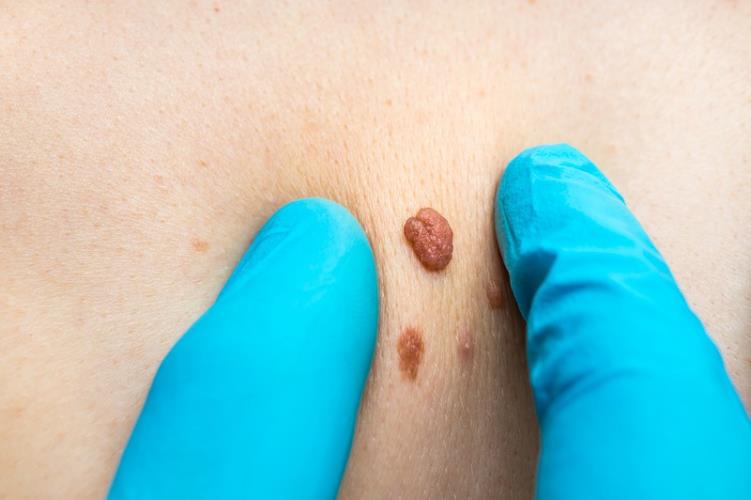
Skin tags, medically known as acrochordons, are small, benign growths on the skin. They are usually flesh-colored or slightly darker and can range in size from a few millimeters to a few centimeters. While they are harmless, they can be bothersome and may affect one’s self-esteem.
Recent studies have shown a possible correlation between skin tags and diabetes. This has sparked interest in the medical community, as skin tags could potentially serve as a clue to underlying diabetes.
If you notice skin tags on your body, it is important to consult a doctor for proper diagnosis. While they may be harmless, it is always best to have a medical professional assess any changes or growths on your skin to rule out any underlying conditions.
Understanding Skin Tags
Skin tags are non-cancerous growths that typically appear on areas of the body where skin rubs against skin or clothing, such as the neck, armpits, groin, and eyelids. They are often described as looking like small flaps of skin or warts.
Common locations where skin tags can develop
As mentioned, skin tags are most commonly found in areas where there is friction or pressure on the skin. They can also develop in areas of the body that experience hormonal changes, such as during pregnancy or in individuals with polycystic ovary syndrome (PCOS).
Factors that contribute to the formation of skin tags
Obesity, genetics, and age are some of the factors that can contribute to the formation of skin tags. They are also more common in individuals with certain medical conditions, such as insulin resistance and high blood sugar levels.
The Connection to Diabetes
So, are skin tags a sign of diabetes? Skin tags are believed to be a result of insulin resistance, a precursor to diabetes. When the body becomes resistant to insulin, it produces more of the hormone, leading to an increase in skin cell growth and the formation of skin tags.
Insulin resistance occurs when the body does not respond properly to the insulin produced by the pancreas. This leads to high levels of glucose (sugar) in the blood, which can eventually lead to type 2 diabetes if left untreated.
High blood sugar levels can also contribute to skin tag development. When glucose levels are elevated, it can cause a process called glycation, which damages collagen and elastic fibers in the skin, leading to the formation of skin tags.
Monitoring and Regulating Blood Sugar
For individuals with diabetes, monitoring blood sugar levels is crucial in managing their condition. One way to do this is through the use of Continuous Glucose Monitors (CGMs) like the FreeStyle Libre, which are small devices that measure and display blood sugar levels in real-time.
CGMs use a small sensor placed under the skin to measure glucose levels in the interstitial fluid. This information is then transmitted to a receiver or smartphone, allowing individuals to track their blood sugar levels throughout the day.
CGMs can provide valuable insights into how certain foods, activities, and medications affect blood sugar levels. They also help individuals make more informed decisions about their diet and lifestyle to better manage their diabetes.
While more research is needed to fully understand the link between skin tags and diabetes, studies have shown a possible correlation between the two. Therefore, it is important to pay attention to any changes or growths on your skin and consult a doctor for proper diagnosis.
It is crucial to seek medical advice if you notice skin tags on your body. A doctor can properly assess your skin tags and determine if further testing is necessary to check for underlying conditions such as diabetes.
Takeaways
Whether you have diabetes or not, it is important to monitor and regulate blood sugar levels for overall health and well-being. By keeping blood sugar levels in check, you can reduce the risk of developing skin tags and other complications associated with diabetes.
While skin tags may seem like a harmless cosmetic issue, they could potentially serve as a clue to underlying diabetes. It is important to be aware of the potential link between the two and to consult a doctor for proper diagnosis and management. By monitoring and regulating blood sugar levels, individuals can not only improve their skin health but also their overall health and well-being.
