



Over recent years, Uzbekistan, a Central Asian nation with a population of 36 million, has emerged as a significant international player. The country actively expands its global trade, attracts foreign investments, and promotes tourism. It’s incredible to think that merely a decade ago, Uzbekistan was a closed authoritarian state, fraught with obstacles for foreign investors and saddled with distressing cases of forced labor, especially in the cotton industry.
Mirziyoyev’s Pivotal Leadership: Catalyst for Transformation
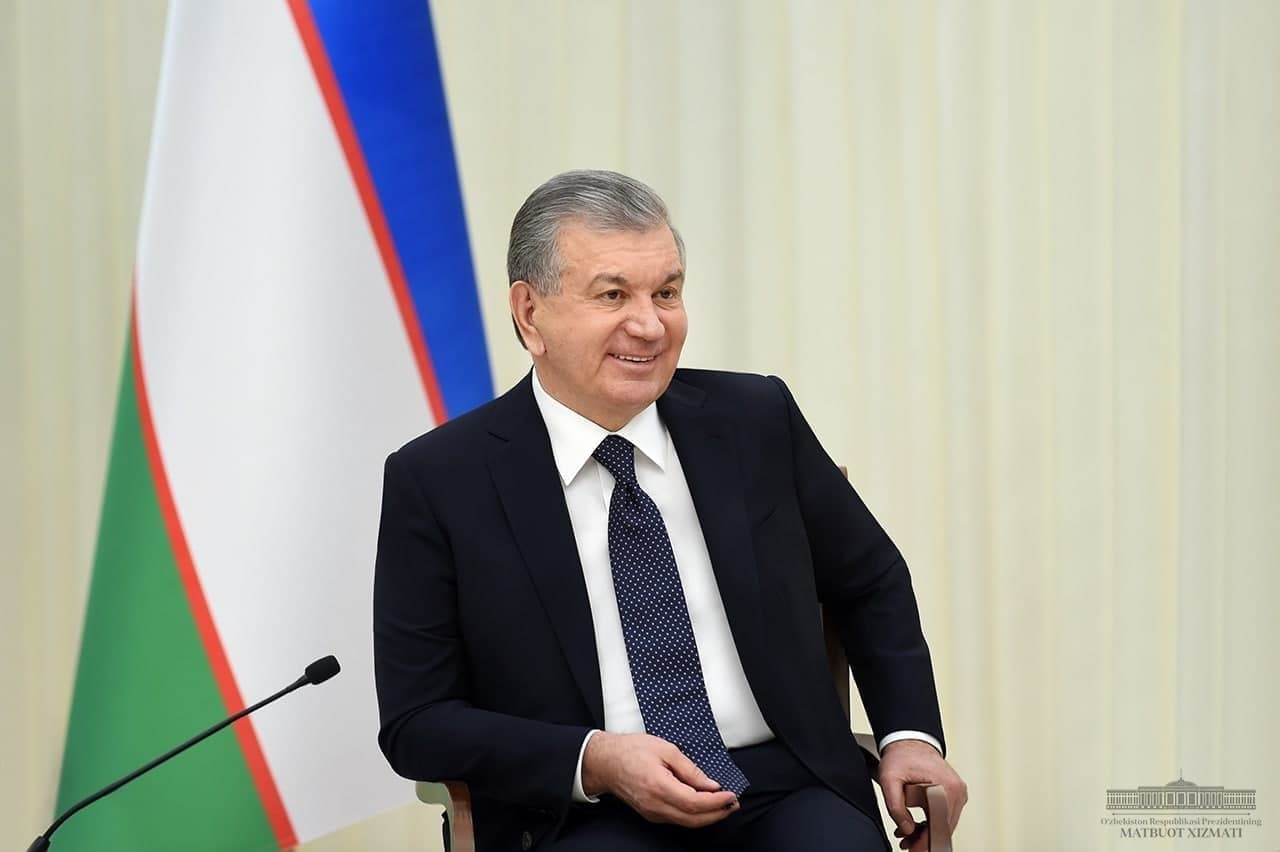
Born into a family of medical professionals in 1957, Shavkat Mirziyoyev‘s diverse career, spanning academia and various administrative roles, bestowed upon him profound insights into Uzbekistan’s economic landscape. Assuming office in 2016, Mirziyoyev embarked on far-reaching reforms, releasing political detainees, enabling currency convertibility, streamlining bureaucratic processes for businesses, and strengthening global alliances.
Economic Revival through Foreign Investment
Following Uzbekistan’s separation from the USSR in 1991, the nation inherited a Soviet-style economic framework with outdated industries and a burgeoning consumer goods sector. Combined with rapid population growth and limited job opportunities, many Uzbek citizens sought work abroad. Mirziyoyev’s strategic focus was on revitalizing the economy through foreign investments and the privatization of state-owned assets, with Germany emerging as a pivotal European partner. Over the past two years, Uzbekistan has attracted over $2.5 billion in German investments, with approximately 200 German-affiliated companies operating within its borders.
Fostering International Trade: Engine of Economic Growth
Uzbekistan, known for its exports of cotton, uranium, gold, fruits, and vegetables, previously monopolized the production and export of many goods. Under Mirziyoyev’s leadership, coerced cotton harvesting was eliminated, paving the way for private and foreign investments in cotton processing and textiles. Germany stands as Uzbekistan’s primary European trading partner, with bilateral trade reaching $1.2 billion last year, predominantly driven by German exports of industrial equipment and Uzbek imports of agricultural produce, textiles, and apparel.
Embracing Green Energy Initiatives
In a bid to reduce reliance on fossil fuels and modernize the economy, Mirziyoyev aims to increase the share of renewable energy to 40% of Uzbekistan’s energy mix by 2030. Collaborating actively with Europe, China, and the Middle East, Uzbekistan is embracing new solar and wind power initiatives. Inspired by Germany, the country introduced competitive bidding for projects aimed at reducing electricity costs. Additionally, households installing solar panels receive state subsidies, marking significant progress towards adopting green energy practices.
Future Trajectory for Uzbekistan
Mirziyoyev recently endorsed Uzbekistan’s 2030 Development Strategy, a collaborative roadmap aimed at doubling GDP, boosting exports, improving education and healthcare, and elevating citizens’ incomes above the global average. The nation aims to attract $110 billion in foreign investments to achieve these objectives, with Germany expected to play a pivotal role in this transformative journey.
Under Shavkat Mirziyoyev’s forward-thinking leadership, Uzbekistan is witnessing a profound transformation characterized by openness, economic diversification, and heightened global competitiveness, promising a prosperous future for the nation and its people.
