


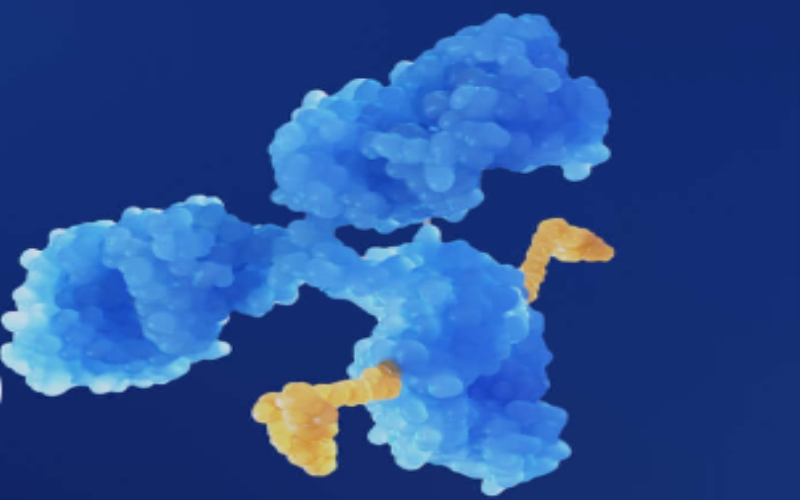
Antibody-Drug Conjugates (ADCs) represent a transformative class of biopharmaceuticals designed to target and treat various forms of cancer with unprecedented precision. The development of ADCs is a complex and rigorous process, involving numerous stages and assessments. Among these critical stages, ADC pharmacokinetic study services play a pivotal role in understanding how ADCs behave within the body, their stability, and their interactions with biological systems. In this article, we delve into the key aspects of ADC pharmacokinetic study services and their significance in the realm of drug development.
1. Plasma or Serum Stability Studies:
Plasma or serum stability studies are fundamental components of ADC pharmacokinetic study services. These studies assess the stability of ADCs when exposed to biological fluids, specifically plasma or serum. The objective is to understand how long the ADC remains intact and active in circulation, as well as to identify any potential degradation pathways. Stability studies provide critical insights into the pharmacokinetics of ADCs, helping researchers determine their half-life and behavior in the bloodstream.
2. In Vitro Payload Release Study:
An integral part of ADC pharmacokinetic study services, in vitro payload release studies focus on evaluating the controlled release of the cytotoxic payload from the ADC. These studies mimic the conditions inside target cells, providing essential information on the kinetics of payload release. Understanding payload release is crucial for optimizing the design of ADCs, ensuring that the payload is released efficiently at the target site, thereby maximizing therapeutic efficacy and minimizing off-target effects.
3. In Vivo PK Study in Pharmacodynamic and Toxicological Species:
In vivo pharmacokinetic (PK) studies are conducted in pharmacodynamic and toxicological species to assess how ADCs behave in living organisms. These studies involve administering ADCs to animal models and monitoring their pharmacokinetic profiles. The data obtained from in vivo PK studies are essential for determining critical parameters such as drug absorption, distribution, metabolism, and excretion. Moreover, these studies provide insights into the relationship between drug exposure and pharmacological effects, helping researchers optimize dosing regimens and assess potential toxicity.
4. ADME Study of Radiolabeled ADCs in Animals:
The study of Absorption, Distribution, Metabolism, and Excretion (ADME) is a cornerstone of ADC pharmacokinetic services. In ADME studies, radiolabeled ADCs are administered to animals, and their fate within the body is meticulously tracked. These studies offer a comprehensive understanding of how ADCs are absorbed, distributed to various tissues, metabolized, and eventually excreted. Radiolabeling enables precise quantification and localization of the ADC and its metabolites, facilitating a detailed ADME profile.
5. In Vivo Identification of Payload-Related Metabolites Released by ADCs:
An essential aspect of ADC pharmacokinetic study services involves identifying the payload-related metabolites released by ADCs in vivo. When ADCs are metabolized within the body, they may release cytotoxic payloads and their metabolites. Understanding the identity and behavior of these released components is crucial for assessing their potential toxicological effects and optimizing the safety profile of the ADC.
Conclusion
In conclusion, ADC pharmacokinetic study services represent a critical component of ADC development, offering invaluable insights into the behavior, stability, and safety profile of ADCs in living organisms. These services play a pivotal role in optimizing ADC design, informing dosing strategies, meeting regulatory requirements, and ultimately advancing the development of innovative cancer therapies that hold great promise for improving patient outcomes. As wuxi adc research continues to evolve, the refinement of pharmacokinetic study services remains essential in the pursuit of more effective and targeted cancer treatments.
