


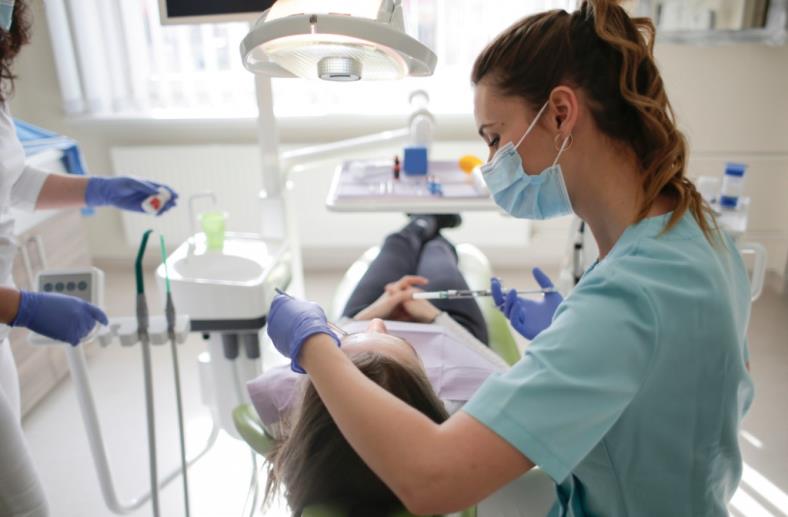
In dentistry, the significance of dental imaging stands out as a guiding light. It directs dental experts towards early detection and nurtures a culture of preventive dentistry. Oral health maintenance unravels the transformative accomplishment of dental imaging software in image capture, manipulation, and annotation. In this article, we’ll discuss the reasons behind and the methods of incorporating this technology into the craftsmanship of dental care.
Why Choose Dental Imaging?
Dental imaging is the gateway to early detection, empowering dental professionals to perceive beyond the surface and identify potential issues before they become visible. It’s a proactive shift transforming patient care from reactive to anticipatory, laying the groundwork for sustained oral health.
Practices Surrounded in Dental Imaging
Some practices of dental imaging in oral health:
Image Capture and Filters
Dental Imaging offers customizable capturing and sequence support, breaking free from the constraints of a single photo. It allows the capture of diverse images using filters to present pertinent patient information. Whether it’s panos, X-rays, or photos, you can define templates such as 2-BW, 4-BW, 3-PA, Ortho Profile, and FMX.
Image Manipulation and Annotation
Imaging provides user-friendly editing capabilities, promoting a detailed examination. Simple drag-and-drop tools enable 360-degree rotation, zooming, sharpening, measuring, contrasting, and mirroring operations.
Sensor and Equipment Agnostic
While many dental imaging software options are bundled with specific sensors, tab32 stands out as sensor and equipment-agnostic. It is compatible with the open-source TWAIN technology, allowing seamless connection with any sensor, pano, or tool. This equipment-agnostic platform offers the flexibility and scalability needed for the growth of your practice.
Daily Habits For Maintaining Your Oral Health
Maintaining these daily habits will improve your oral health for a longer time.
1. Perfecting Your Brushing Technique:
Grab a soft-bristled toothbrush and fluoride toothpaste per your doctor’s recommendation, and brush your teeth approximately habitually. Two to three minutes, twice a day. Don’t forget to switch your toothbrush every three to four months.
Angled Brushing:
Tilt that brush at a 45-degree angle to your gums. This technique ensures you reach the sneaky spots where plaque likes to camp out, such as the gumline and the back of your teeth. And always keep it gentle with those circular motions.
2. Flossing:
Make flossing your daily practice for gum health. Creating a graceful C-shape around each one to tango below the gumline.
Water Flossers:
Water flossers are your alternative subsidiary. They hit a stream of water between your teeth, giving you another way to tackle the plaque.
3. Antimicrobial Mouthwash:
Add an antimicrobial mouthwash to your routine. It’s like an extra layer of defense, reducing bacteria and supporting your gum health. Follow any specialized mouthwashes your dentist recommends.
Prescription Mouthwash:
Dentists might prescribe a specialized mouthwash for those with specific oral concerns. These are crafted to tackle issues like gum inflammation or bad breath.
The Future of Preventive Dentistry
Witness the evolution of preventive dentistry with exciting innovations on the horizon:
Smart Toothbrushes:
Envision a toothbrush with artificial intelligence, offering real-time feedback on your brushing technique, ensuring more effective plaque removal.
Nano-tech:
Nano-technology implants oral care products, utilizing minute particles to deliver agents, revolutionizing personalized preventive measures precisely.
Tele-dentistry:
Experience the convenience of virtual consultations and monitoring, reshaping the landscape of preventive dental care by providing personalized solutions.
Conclusion
Maintaining a healthy smile comes along with good habits and a bit of fun. Stay in the loop about the latest oral care tricks and regular checkups with your dentist, and you’ll rock that healthy smile for years.
Dental imaging exceeds being a mere technological tool; it becomes a sculptor of narratives and stories that form the foundation for early detection and preventive dentistry. The journey through image capture and annotation underscores the dedication of our dental professionals to delivering not just treatment but personalized care.
