


Amid an energy crisis, everyone dreads those electricity bills at the end of the month. As if that’s not enough, not only is gas breaking the bank, but it now also seems to be crippling the planet.
Let’s take the first step towards changing that. Educate yourself on energy-efficient home installations, and learn how to improve your home energy consumption.
In this comprehensive guide, we’ll highlight the importance of energy efficiency, learn more about your electricity needs and what installations will fulfill them while keeping the planet safe.
Don’t worry. There is also an overview of a few grants you might qualify for.
The Importance Of Energy-Efficient Homes
Let me explain why reducing your energy consumption is a good idea. It has far more than just financial benefits. It’s also an essential step towards creating a sustainable future.
You can learn more about why electricity is so expensive in the UK on Utility Bidder’s Website. But how does this affect the environment? Well, the burning of fossil fuels is the leading cause of air pollution.
Another possible solution to pollution
On the other hand, humans are contributing to global warming with large amounts of plastic waste. Fortunately, we’re on our way to solving that problem as well. The US has devised a plan where one would kill two birds with one stone by implementing a plastic-to-fuel project.
Would it be beneficial for the UK to invest in plastic-to-fuel plants in the future to decrease the demand for fossil fuels?
Understanding Your Energy Needs
Do you know what you’re using all this energy for? Let’s dive into how to identify the gas-gobbling culprits in your home. Once you know where the energy is going, it’s easier to come up with solutions.
The average UK household consumes between 8.5kW and 10 kWh of energy daily. Your household’s consumption dramatically depends on the size and type of appliances you have in your home. Just making minor adjustments to your lifestyle can make a big difference in the long run.
Pinpoint Areas For Improvement
Conduct an energy audit to pinpoint areas for improvement. Doing this lets you figure out where energy is wasted and find solutions to reduce your carbon footprint and lower energy bills.
How can you conduct an energy audit? The good news is you can hire a professional without hiring a professional. There are easy ways to do this yourself.
Firstly, you must check your home for any weak spots where heat might escape. The insulation around walls and windows plays a vital role in keeping the cold and heat out. The
Types Of Energy Efficient Home Installations
Solar Panels
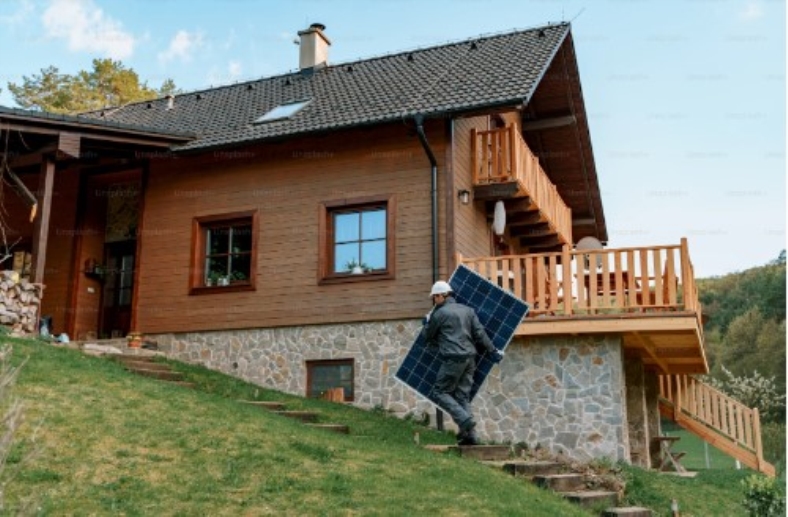
Solar panels might be an investment at first, but after the installation of a solar panel system connected to texas power companies, it’ll start paying for itself within a few years. Along with the panels, having a battery installed is also a good idea. So excess electricity can then be stored and used on rainy days. Check out a few more ways to maximise solar energy efficiency to make the most of this energy-efficient installation!
LED Lighting
This might sound like a small change, but it’s vital to making your home more eco-friendly. If you still need to do this, trade your light bulbs for energy-efficient LED bulbs. The most minor changes can make the biggest difference.
Improved insulation
Do you notice a draft moving through your house on cold winter days? No wonder your energy bill is so high. Not having proper insulation on your windows and walls might mean your central heating is working overtime to keep the temperature in your house comfortable.
Smart thermostat
Since heating is responsible for about 60% of your energy bill, this innovative piece of technology will be a lifesaver in winter. By controlling the temperature in each room and being able to turn it on and off automatically, it avoids wasting power.
Costs Of Energy Efficient Home Installations
How much are all these installations going to cost you? Let me tell you the best part: multiple grants and financing options are available for UK homeowners.
Financing options
- Great British Insulation Scheme is available to homes that have an Energy Performance Certificate (EPC) score of D or less.
- The Home Energy Scotland Grant and Loan program offers interest-free loans for energy-efficient installations on homes in Scotland.
- The Boiler Upgrade Scheme aims to help UK households save money on heating by installing low-carbon heat pumps.
In Conclusion
You’ve heard the expression, “Go Green or Go Home.” However, going home shouldn’t be the alternative to “going green” but rather a place to go greener. Dive into your go-to guide to make your home a greener and energy-efficient sanctuary. Identify the weak spots in your home and make the necessary installations so you can play your part in fighting against the energy crisis.
